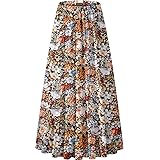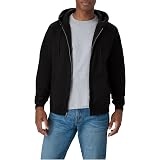

Studies consistently reveal that visual presentation significantly shapes first impressions, with color choices often accounting for a substantial portion of perceived professionalism and sophistication. In the realm of formal wear, this principle is not just amplified; it becomes an art form. While the accompanying video offers a glimpse into the aesthetic appeal of formal ensembles, truly mastering formal wear color combinations demands a deeper dive into chromatic theory and sartorial psychology. It’s not merely about pairing hues; it’s about crafting a narrative, conveying confidence, and asserting presence without uttering a single word.
Decoding the Formal Palette: More Than Meets the Eye
The selection of a formal wear color combination transcends simple preference; it’s a strategic decision. Consider the profound impact color wields in shaping perception, much like a seasoned conductor expertly blends instruments to create a symphony. Each color possesses an inherent psychological resonance, and when orchestrated thoughtfully, they can articulate gravitas, creativity, trustworthiness, or authority.
-
The Psychology Behind Formal Hues
Understanding the subconscious signals each color transmits is the bedrock of intelligent formal styling. For instance, deep navy projects reliability and authority without the starkness of black, making it a perennial favorite for corporate galas and diplomatic functions. Charcoal grey, a chameleon of the color spectrum, offers versatility, conveying quiet confidence and intellectual prowess. Black, the undisputed champion of formality, exudes ultimate sophistication and power, often reserved for the most solemn or glamorous occasions.
-
Foundation First: Timeless Formal Wear Color Combinations
Certain pairings have stood the test of time, proving their enduring elegance and appropriateness across diverse formal contexts. These are the equivalent of classical architectural forms—reliable, strong, and universally admired. For men, a navy suit with a crisp white dress shirt and a deep burgundy or royal blue tie is an unimpeachable choice. The contrast is sharp yet harmonious, projecting an aura of refined professionalism. For women, a black sheath dress paired with pearl accessories or a jewel-toned blazer offers a similar blend of classicism and understated power. A charcoal pant or skirt suit with a pastel silk blouse, perhaps in a subtle lavender or sky blue, also embodies a timeless sophistication.
-
Elevating the Ensemble: Sophisticated & Modern Formal Wear Color Combinations
Venturing beyond the ubiquitous classics introduces a world of nuanced elegance. This is where the true aficionado distinguishes themselves, much like a chef experimenting with exotic spices to enhance a traditional dish. Consider integrating richer, deeper tones that offer a contemporary twist without sacrificing decorum. A forest green velvet jacket, for example, paired with black trousers or a sleek black dress, can be utterly captivating for evening events, hinting at creativity and luxury. Deep plum or oxblood accessories—ties, pocket squares, clutches, or even shoes—can inject a subtle yet powerful splash of color into an otherwise monochrome or neutral outfit, transforming it from standard to sensational.
Mastering Tonal Synergy: Advanced Color Theory for Formal Attire
Achieving truly exceptional formal wear color combinations involves more than just selecting colors you like. It requires an understanding of how colors interact—their tonal synergy—and how to manipulate these relationships to create a visually compelling and harmonious ensemble. Think of it as composing a complex piece of music, where each note (or color) must play its part in service of the overall melody.
1. The Monochromatic Masterpiece
A monochromatic palette, where you utilize varying shades, tints, and tones of a single color, offers an intrinsically sophisticated and sleek aesthetic. This approach creates visual depth and texture, allowing the silhouette and fabrication to take center stage. Imagine a dark navy suit paired with a lighter blue shirt and a tie incorporating subtle patterns of navy and medium blue. For women, a charcoal grey dress in a rich fabric like wool crepe, complemented by deeper graphite accessories and lighter silver jewelry, exudes an understated yet powerful elegance. This is akin to a sculptor working with a single block of marble, revealing its inherent beauty through subtle variations.
2. Analogous Allure: Neighbors on the Color Wheel
Analogous color schemes involve using colors that are adjacent to each other on the color wheel, creating a naturally harmonious and flowing look. This approach offers more visual interest than a monochromatic scheme but maintains a sense of unity. For example, pairing a deep navy garment with elements of dark teal or emerald green can be remarkably effective. A deep olive green suit with a subtle teal pocket square, or a navy dress accented with a moss green belt and matching earrings, offers an organic and refined aesthetic. This method allows for subtle shifts in chromatic intensity, much like an artist blending hues on a canvas to achieve smooth transitions.
3. Complementary Contrasts: Strategic Pairings for Impact
Complementary colors, found opposite each other on the color wheel, create the highest degree of contrast and visual energy. While often used sparingly in formal wear to avoid overwhelming the eye, strategic application can deliver a striking impact. Consider a rich plum or deep purple accent—a tie, a pocket square, a small clutch, or a delicate brooch—against a classic charcoal or deep green base. The complementary pop draws the eye without being garish, making a memorable statement. This is akin to a sudden, dramatic chord change in music, designed to capture attention and add an unexpected layer of depth.
The Art of Accessorizing: Adding Chroma to Your Formal Canvas
Accessories are not mere afterthoughts; they are the brushstrokes that complete your formal wear color combinations, adding depth, texture, and personality. They provide opportunities to introduce accent colors or reinforce your primary palette, much like garnishes that elevate a gourmet meal.
- Ties and Pocket Squares: These are prime real estate for injecting color and pattern. A subtly patterned tie that picks up on a secondary color in your outfit, or a pocket square in a complementary hue, can dramatically elevate a suit.
- Jewelry: From cufflinks to necklaces, jewelry can introduce metallic tones (gold, silver, rose gold) that warm or cool your palette, or gemstone colors that align with your chosen scheme.
- Footwear: While black and dark brown remain staples, consider rich oxblood or deep navy dress shoes to complement a blue suit. For women, heels in a metallic finish or a jewel tone can be a powerful accent to a neutral dress.
- Handbags/Clutches: These are ideal for a controlled burst of color, especially when paired with a more subdued outfit. A vibrant red clutch with a black ensemble is a timeless statement of confidence.
The goal is always cohesion, ensuring that each element contributes harmoniously to the overall formal wear color combinations you’ve meticulously curated. By understanding the psychology of color, the principles of tonal synergy, and the power of strategic accessorizing, you transform dressing for formal events from a mere obligation into an opportunity for sophisticated self-expression.
Decoding Your Formal Colour Conundrums
Why are color choices important in formal wear?
Color choices in formal wear greatly influence first impressions, contributing significantly to how professional and sophisticated you appear. They help you convey confidence and presence without needing to speak.
What do common formal wear colors like navy, charcoal, and black symbolize?
Deep navy suggests reliability and authority, while charcoal grey conveys quiet confidence and intelligence. Black is the ultimate color for sophistication and power, often used for very formal events.
What are some classic and easy-to-wear color combinations for formal attire?
For men, a navy suit with a white shirt and a deep burgundy or royal blue tie is always an elegant choice. For women, a black sheath dress paired with pearl accessories or a jewel-toned blazer offers timeless sophistication.
How can accessories help improve my formal outfit’s color scheme?
Accessories like ties, jewelry, and handbags are perfect for adding accent colors and texture to your outfit. They can either introduce new hues or reinforce your main color choices, completing your look.