
Have you ever paused to wonder, as our video above poses, why the Bohemian style has captured so many hearts and minds over the decades? The allure of boho-chic fashion is undeniable, often evoking images of carefree spirits, artistic expression, and a connection to nature. While the video highlights the pivotal role of the flower children and hippies in the 1960s and 70s, the roots of this iconic look stretch back much further, revealing a rich history of non-conformity and artistic freedom.
Understanding the True Origins of Bohemian Fashion
The term ‘Bohemian’ itself predates the counter-culture movement by over a century. It emerged in 19th-century France, initially referring to the Romani people, who were erroneously believed to have come from Bohemia, a region in the modern-day Czech Republic. This early association soon broadened to encompass artists, writers, musicians, and intellectuals who adopted a nomadic, unconventional lifestyle, often rejecting bourgeois norms.
These original Bohemians embraced a life of artistic expression, often prioritizing creativity over material wealth. Their distinctive style emerged from necessity and defiance, featuring loose-fitting clothing, repurposed garments, and an eclectic mix of global influences. This period laid the groundwork for the free-spirited aesthetic that would later define much of modern Bohemian fashion.
The 1960s & 70s: When Boho-Chic Style Flourished
Fast forward to the 1960s and 70s, and the world witnessed a profound cultural shift. The youth movement, spearheaded by “flower children” and hippies, sought peace, love, and a deeper connection to the earth. This ethos directly influenced their sartorial choices, making the Bohemian style widely popular and giving rise to what we now fondly call boho-chic.
Their clothing was a direct rejection of the rigid, structured fashion of previous decades, mirroring their desire for personal freedom and social change. Beautiful, flowy, and unstructured silhouettes became the hallmark of this era. Think maxi dresses, peasant blouses, and wide-leg trousers that allowed for ease of movement and self-expression.
Key Elements of Authentic Bohemian Fashion
The video briefly touches on some elements, but let’s dive deeper into the characteristic features that define true Bohemian fashion. These elements combine to create a look that is both relaxed and intentionally artistic, perfect for anyone seeking to express their individuality.
Fabrics and Textures: Embracing Natural Beauty
One defining characteristic of the boho style is its preference for natural, breathable fabrics. Cotton, linen, hemp, suede, and even velvet were widely used, offering comfort and a connection to the earth. Intricate textures like crochet, lace, and embroidery also played a significant role, adding depth and a handmade feel to garments.
Consider a beautifully crafted crochet top, much like the one mentioned in the video. This single piece exemplifies the artisanal quality and natural aesthetic central to Bohemian fashion. Layering different textures, such as a denim vest over a flowing cotton dress, further enhances this rich visual appeal.
Silhouettes: Freedom and Flow
The unstructured silhouettes are another cornerstone of Bohemian fashion. Garments are designed to be loose, comfortable, and often oversized, moving gracefully with the wearer. This includes items like billowing maxi skirts, wide-sleeved blouses, caftans, and kimonos, all of which prioritize comfort and an uninhibited feel.
These fluid shapes not only offer unparalleled comfort but also create an ethereal, romantic aesthetic. They celebrate the natural form without restriction, reflecting a desire for liberation in both movement and spirit. This freedom in design is a core tenet of the boho-chic style.
Prints and Colors: A Palette of Earth and Spirit
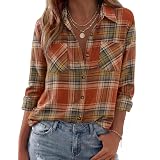
Eye-catching prints and vibrant colors are integral to the Bohemian aesthetic. While earthy tones like browns, greens, and ochres form the foundation, bursts of rich jewel tones and vivid patterns add life and personality. Paisley, floral motifs, ethnic prints, tie-dye, and geometric patterns are common, often reflecting global influences and a sense of wanderlust.
The intentional mixing of patterns and colors, though seemingly unconventional, creates a harmonious and visually interesting ensemble. It speaks to a daring spirit and a willingness to break traditional fashion rules, making each Bohemian fashion outfit unique.
Accessories: The Heart of Boho Style
Accessories are not just an afterthought in Bohemian fashion; they are often the focal point. The video mentions “junk jewelry,” which typically refers to handmade, eclectic, and often oversized pieces. Layered chain necklaces, stacks of bangles, large statement rings, and fringe-detailed bags are iconic.
Furthermore, elements like wide-brimmed hats, headbands adorned with feathers or beads, and open-toed sandals or moccasins complete the look. These accessories add texture, sparkle, and a personalized touch, embodying the free-spirited essence of Bohemian style. They allow for individual expression and a sense of storytelling through adornment.
The Enduring Appeal of Bohemian Fashion
So, why did the Bohemian style become so famous, and why does it continue to captivate us today? Part of its lasting appeal lies in its inherent comfort and versatility. It’s a style that prioritizes ease, allowing individuals to move freely and feel relaxed in their clothes. This comfort factor makes it ideal for everything from a day at the beach, as our speaker suggests from the Phi Phi Islands, to a music festival, or even just a casual day out.
Beyond comfort, Bohemian fashion offers a powerful avenue for self-expression. It encourages individuality, allowing people to mix and match elements to create a look that truly represents their unique personality. This embrace of uniqueness resonates deeply in a world often driven by fast fashion trends.
Moreover, the style carries a certain romantic nostalgia, a longing for simpler times and a deeper connection to nature and artistry. Its global influences and free-spirited ethos continue to inspire those who yearn for adventure and a life less ordinary, making Bohemian fashion a timeless choice for many.
Bohemian Threads: Your Questions Unraveled
What is Bohemian fashion?
Bohemian fashion, often called boho-chic, is a style known for its carefree spirit, artistic expression, and connection to nature. It features a relaxed and unconventional look that prioritizes comfort and individuality.
Where did the term “Bohemian” originate?
The term “Bohemian” first appeared in 19th-century France, initially referring to Romani people. It soon broadened to describe artists and intellectuals who adopted an unconventional, free-spirited lifestyle.
When did Bohemian fashion become widely popular?
Bohemian fashion became widely popular in the 1960s and 1970s, heavily influenced by the “flower children” and hippies. This movement embraced the style as a symbol of peace, freedom, and a connection to nature.
What are some key characteristics of Bohemian fashion?
Key characteristics include natural, breathable fabrics like cotton and linen, loose and flowy silhouettes, earthy colors with vibrant patterns, and eclectic accessories such as layered jewelry and unique headwear.