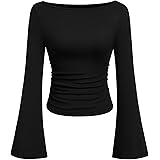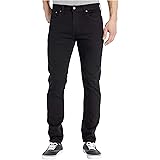

It is a common scenario: you have a favorite piece of clothing, an item that fits perfectly and makes you feel confident. You wear it, love it, and then, perhaps, a tiny voice in your head whispers, “You can’t wear that again so soon; someone might notice.” The playful jab in the video above, with its nostalgic nod to Lizzie McGuire, humorously highlights a long-held, yet increasingly outdated, fashion concern: the fear of being an “outfit repeater.” However, in today’s fashion landscape, re-wearing clothes is not only acceptable but celebrated, embodying principles of personal style and sustainability.
Embracing Sustainable Style: The End of the “Outfit Repeater” Stigma
For decades, a prevalent societal expectation was that new events necessitated new outfits, especially in the realm of celebrity culture and high fashion. This perspective often perpetuated a cycle of fast fashion and overconsumption, encouraging individuals to constantly seek novelty. Nevertheless, a significant shift in fashion consciousness is currently being observed, with more people prioritizing conscious consumption and thoughtful styling over an endless supply of new garments.
Challenging Outdated Fashion Norms
The notion that one’s wardrobe must be ever-expanding is a concept that is steadily being dismantled. It is recognized that true style is not measured by the quantity of clothing owned but by the creativity and confidence with which garments are worn. The concept of an outfit repeater has been reframed; it is now often viewed as a savvy fashion choice rather than a fashion faux pas. This shift allows for greater personal expression and less pressure to conform to fleeting trends.
Why Re-Wearing Clothes Is a Power Move in Modern Fashion
The benefits of embracing outfit repeating extend far beyond simply challenging old norms. Many compelling reasons exist for making the most of one’s existing wardrobe, impacting both personal finance and global sustainability efforts. A thoughtful approach to fashion consumption is becoming increasingly valued by consumers and brands alike.
Environmental and Economic Benefits
From an environmental standpoint, the fashion industry’s impact is significant; millions of tons of textile waste are generated annually, and the production process is resource-intensive. Re-wearing clothes actively reduces this footprint, extending the life cycle of garments and lessening the demand for new production. Economically, adopting a re-wearing mindset is exceptionally budget-friendly. Substantial savings can be realized when purchases are focused on quality, versatile pieces that are worn repeatedly, rather than on disposable trend items.
Cultivating Authentic Personal Style
Furthermore, the practice of re-wearing fosters a deeper understanding and development of one’s personal style. When confronted with the challenge of creating fresh looks from a limited set of items, individuals are encouraged to experiment and innovate. This process often leads to the discovery of unique combinations and a stronger sense of self-expression. A versatile wardrobe is often seen as a reflection of genuine taste, rather than merely following what is current.
Mastering the Art of Wardrobe Versatility and Styling
The key to successful outfit repeating lies in mastering the art of versatility. It is not about wearing the exact same ensemble repeatedly, but rather about reimagining individual pieces in diverse contexts. A well-curated wardrobe allows for countless combinations, ensuring that staple items never feel stale. Strategic planning and creative thinking are essential components of this approach.
Strategic Layering for Fresh Looks
Layering is considered a fundamental technique for transforming an outfit. A simple t-shirt can be paired with a denim jacket for a casual vibe, or layered under a blazer for a more polished aesthetic. Different textures and weights of fabric can be combined to add depth and interest to an ensemble. Moreover, layering provides practicality, allowing adaptability to varying temperatures throughout the day.
The Transformative Power of Accessories
Accessories possess an incredible ability to alter an outfit’s mood and appearance dramatically. A basic dress, for instance, can be given a bohemian feel with a wide-brimmed hat and layered necklaces, or made sophisticated with a sleek belt and minimalist jewelry. Scarves, bags, and footwear are also crucial elements; these can introduce new colors, patterns, and textures, ensuring that the main garments appear distinct each time they are worn.
Mixing, Matching, and Reimagining Your Existing Pieces
The true essence of wardrobe versatility is found in the ability to mix and match. A pair of tailored trousers might be worn with a button-down shirt for work, then dressed down with a graphic tee and sneakers for a weekend outing. Consideration should be given to how individual pieces can be combined in unexpected ways. This approach encourages a playful experimentation, leading to many novel outfit configurations from a finite collection of items.
Building a Smart Wardrobe Foundation
Establishing a foundation of versatile pieces is paramount. These are often high-quality basics in neutral colors that can serve as the backbone for numerous outfits. Items such as well-fitting jeans, a classic white shirt, a comfortable black dress, and a sturdy jacket are considered essential. Once these foundational items are in place, trendier or more unique pieces can be integrated, allowing for a dynamic and adaptable personal style. This is how a true capsule wardrobe is often developed, making outfit repeating effortless.
Y2K and Streetwear: Designed for Creative Re-Styling
The current resurgence of Y2K fashion and the enduring popularity of streetwear trends naturally lend themselves to the concept of re-wearing and creative styling. These aesthetics often emphasize comfort, individual expression, and a playful disregard for traditional fashion rules. Many elements of Y2K and streetwear are highly versatile.
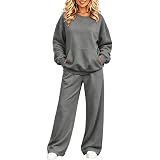
For example, oversized graphic tees, baggy jeans, cargo pants, and tracksuits are staple items within both Y2K and streetwear. These pieces are inherently designed to be mixed and matched, layered, and accessorized in myriad ways. A single graphic tee can be styled with jeans and sneakers one day, then paired with a mini skirt, chunky boots, and a cropped cardigan the next. The casual and adaptable nature of these styles actively encourages a creative, repeatable approach to fashion, solidifying the idea that being an outfit repeater is truly a sign of personal style mastery.
Decoding the Drip: Your Y2K Streetwear Combo Questions Answered
What does it mean to be an “outfit repeater”?
An “outfit repeater” traditionally meant someone who wears the same clothes or outfit often. However, it’s now seen as a positive choice that shows off your personal style and supports sustainability.
Why is it good to re-wear clothes?
Re-wearing clothes is good for the environment because it reduces textile waste and saves you money. It also helps you develop a stronger, more authentic personal style.
How can I make my outfits look new even if I re-wear clothes?
You can make outfits look new by using different accessories, layering clothes in various ways, and mixing and matching your existing pieces in fresh combinations.
What kind of clothes are best for re-wearing and re-styling?
Versatile foundation pieces like well-fitting jeans, classic shirts, and sturdy jackets are excellent. Additionally, popular styles like Y2K and streetwear items, such as graphic tees and baggy pants, are designed for creative mixing and matching.