
Mastering English Clothing Vocabulary: Diving into Sport and Bath Attire
As explored in the accompanying video, expanding one’s English vocabulary related to clothing is a journey that often reveals fascinating cultural and regional distinctions. For instance, the video highlights how the list of essential apparel terms extends to over 70 words, with this segment specifically focusing on items associated with sport and bath. This dedicated focus on particular categories ensures that learners are provided with precise terminology, thereby preventing common misunderstandings in conversation. However, a deeper look into these terms can further solidify understanding, making communication both clearer and more confident.
When discussing English clothing vocabulary, it is often noticed that everyday items, though seemingly simple, can carry subtle differences in meaning or usage. The intention behind categorizing these words, such as those for athletic activities or post-bathing comfort, is to provide a structured approach to language acquisition. While a simple definition is provided in the video, understanding the context, material, and common scenarios for each garment proves incredibly beneficial. This detailed exploration is designed to bridge the gap between recognizing a word and truly comprehending its place within the broader English lexicon.
The Active Wardrobe: Understanding Sportswear Vocabulary
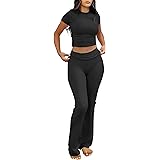
The world of athletic apparel is rich with specific terms, and mastering them is crucial for anyone discussing fitness or casual comfort. One such item, extensively used for warmth during exercise or for relaxing, is known as a sweatsuit in American English. In contrast, the same comfortable, two-piece garment, typically consisting of a jacket and trousers, is referred to as a tracksuit in British English. These lexical variations, as demonstrated in the video (item 61), underscore the importance of being aware of regional dialect differences when learning English clothing vocabulary.
A sweatsuit or tracksuit is generally comprised of soft, absorbent fabric, most commonly cotton or a blend, designed to absorb perspiration during physical activity or provide insulation. For example, a runner might don a tracksuit for their warm-up laps, later shedding the layers as their body temperature rises. Conversely, someone might wear a sweatsuit on a chilly evening, prioritizing its cozy feel over athletic performance. The utility of these garments, therefore, spans both rigorous activity and relaxed downtime, making them versatile additions to any wardrobe.
Making a Splash: Mastering Swimwear Terms
When the topic shifts to water activities, an entirely new set of English clothing vocabulary becomes relevant, primarily centered around swimwear. The overarching term for garments worn for swimming or at the beach is swimwear or swimsuit (item 62). This general category encompasses a wide array of designs and styles, each serving a slightly different purpose or catering to various preferences. However, a closer examination reveals the specific names given to these diverse items.
Exploring Specific Swimwear Styles and Terms
Among the more specialized items, the Speedo (item 63) is a prime example of a brand name becoming synonymous with a product type. This particular style refers to tight-fitting swimming trunks, often favored by competitive male swimmers due to their minimal drag. It is much like how “Kleenex” is often used for any facial tissue. In contrast, many men might prefer more relaxed options for casual beach outings or pool visits.
For instance, swim shorts (item 64) are typically looser, resembling everyday shorts but made from quick-drying material, offering more coverage and a casual aesthetic. These are frequently chosen for their comfort and versatility, allowing for activities beyond just swimming. On the other hand, swim trunks (item 65) usually fall somewhere between Speedos and swim shorts in terms of fit and length, often reaching mid-thigh and providing a comfortable, practical option for many. It is clear that these distinctions, though subtle, are important for accurate description.
Women’s swimwear also features a rich vocabulary. A one-piece swimsuit, sometimes referred to as a monokini (item 66), is a single garment that covers the torso. This style is often chosen for its comfort, support, and sometimes for modesty. In stark contrast, the two-piece swimsuit or bikini (item 67) consists of separate top and bottom pieces, allowing for greater sun exposure and often associated with more fashion-forward designs. Each style offers unique advantages, catering to different body types and preferences, thereby expanding the depth of English clothing vocabulary in this specific domain.
Beyond the main garments, accessories also play a role. A swimcap or swimming cap (item 68) is a tight-fitting cap worn on the head, primarily by swimmers, to protect hair from chlorine or to reduce drag in the water. This functional item is a staple for competitive swimmers and those wishing to keep their hair dry, illustrating how even smaller items have their designated terms within this specialized vocabulary.
Comfort and Relaxation: Loungewear and Nightwear Essentials
Moving from the active world to the realm of comfort and rest, distinct terms are used to describe clothing worn around the house or for sleeping. For nighttime wear, the term pajamas (item 69) is commonly used in American English. However, in British English, the spelling typically shifts to pyjamas, while the pronunciation remains largely consistent. These comfortable garments, usually consisting of a soft top and bottom, are synonymous with relaxation and winding down after a long day.
Another essential item for post-bath comfort or simply lounging is a bathrobe (item 70). This plush, absorbent garment is widely used in American English. Conversely, in British English, the same item is often referred to as a dressing gown. A bathrobe is typically made from terry cloth or similar materials designed to absorb moisture and keep the wearer warm, much like a towel that can be worn. A dressing gown, on the other hand, while serving a similar purpose of covering up, might be made from lighter fabrics like silk or cotton, intended more for modesty or warmth around the house rather than absorbing water.
Understanding these subtle differences in English clothing vocabulary not only helps in identifying the specific item but also in appreciating the cultural nuances embedded in the language. These words, whether for sportswear, swimwear, or loungewear, form a crucial part of daily communication, allowing for precise and effective expression in various contexts.
Gear Up, Dive In: Your Sport & Bath Vocabulary Q&A
What kind of clothes does this article focus on?
This article focuses on English vocabulary for clothes worn for sports and activities in or around the bath. It helps learners understand precise terms for specific categories like sportswear, swimwear, and loungewear.
What is the difference between a “sweatsuit” and a “tracksuit”?
“Sweatsuit” is the term used in American English for a comfortable two-piece garment, while “tracksuit” is the term used in British English for the same item. Both consist of a jacket and trousers made from soft fabric.
What is “swimwear”?
“Swimwear,” also known as a “swimsuit,” is a general term for any garment worn for swimming or at the beach. This category includes many different designs and styles for water activities.
What is the difference between “pajamas” and “pyjamas”?
“Pajamas” is the spelling commonly used in American English for comfortable sleeping garments. “Pyjamas” is the British English spelling for the exact same item, typically a soft top and bottom for nighttime wear.