
Understanding Your Women’s Sports and Fitness Clothing Essentials
The world of activewear has evolved beyond simple cotton tees and shorts. Today, specialized fabrics and designs are engineered to enhance performance, regulate body temperature, and provide necessary support. When investing in new athletic apparel, it is often considered prudent to prioritize items that will serve multiple functions or support your most frequent activities.The Foundation: Supportive Sports Bras
A foundational piece in any woman’s athletic wardrobe is the sports bra. Its primary function involves minimizing breast movement during physical activity, which is crucial for comfort and long-term breast health. Research has indicated that inadequate support can lead to discomfort, pain, and even tissue damage over time. Sports bras are typically categorized by the level of support they offer: low, medium, or high. Low-impact bras, often designed with minimal compression, are usually chosen for activities such as yoga or walking. Medium-impact options are generally preferred for cycling or brisk walking, providing a balance of compression and encapsulation. For high-impact activities like running or intense cardio, maximum support is typically achieved through strong compression and individual cup encapsulation, which securely holds each breast in place. Fabrics frequently incorporate moisture-wicking technology, such as polyester or nylon blends, which draw sweat away from the skin, thereby keeping the wearer drier. The strategic placement of breathable mesh panels is also a common feature, aiding in ventilation during strenuous workouts.Optimal Tops for Every Workout
The selection of tops for your workout routine can significantly influence comfort and temperature regulation. Various styles are available, each designed with specific activities and conditions in mind.Short Sleeve T-Shirts: Versatility in Motion
Short sleeve t-shirts are a staple for many athletes due to their versatility. Modern athletic t-shirts are usually constructed from synthetic fabrics like polyester or proprietary blends, offering superior moisture-wicking capabilities compared to traditional cotton. These garments are often treated with antimicrobial properties, which can help in reducing odor build-up during prolonged activity. Their relaxed fit allows for a full range of motion, making them suitable for various exercises, from gym workouts to outdoor runs in moderate weather. Data from sportswear manufacturers frequently highlights their efforts in minimizing seams to prevent chafing, enhancing overall wearer comfort.Tank Tops: Maximizing Airflow
When increased breathability is desired, tank tops become an excellent choice. The sleeveless design allows for maximum airflow, which assists in body temperature regulation during intense or warm-weather workouts. Athletic tank tops are often produced from lightweight, highly breathable fabrics, sometimes featuring mesh inserts in high-sweat areas like the back or sides. These tops are particularly favored for activities where arm mobility is paramount, such as weightlifting or certain forms of yoga. Studies on thermal comfort in exercise clothing often suggest that minimizing fabric coverage in key areas can significantly improve perceived comfort in warmer environments.Sleeveless Training Hoodies: Layering for Warm-ups
Sleeveless training hoodies offer a unique combination of warmth and freedom. They are frequently utilized as a layering piece during warm-ups or cool-downs, providing core warmth without restricting arm movement. These hoodies are typically made from soft, performance fleece materials that trap heat while still allowing for some breathability. Their design often includes a functional hood for added warmth or privacy. They are particularly popular among those who perform exercises requiring extensive upper body movement, such as cross-training or certain functional fitness routines.Pullover Hoodies & Jackets: Post-Workout Comfort
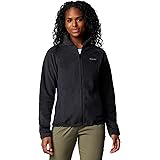
Pullover hoodies and track jackets serve primarily as outer layers for warmth and protection. Track jackets are usually lighter, often made from polyester, and are designed to be worn during warm-ups, cool-downs, or light outdoor activities. They frequently feature full zippers, allowing for easy ventilation adjustment. Pullover hoodies, conversely, tend to be thicker and are more commonly worn for post-workout recovery or as casual activewear. Both types are instrumental in maintaining body temperature, especially after intense exercise when the body is prone to cooling down rapidly. This thermal regulation is critical for muscle recovery and preventing stiffness, a benefit supported by exercise physiology principles.Crop Long Sleeve Shirts & Crop Top Sports Bras: Trendy Performance
The intersection of fashion and function is evident in crop long sleeve shirts and crop top sports bras. Crop long sleeve shirts provide more coverage than a traditional sports bra while still offering a stylish, abbreviated cut. They are often made from stretchable, moisture-wicking fabrics and can be worn for various activities, including yoga, pilates, or light gym workouts. Crop top sports bras combine the support of a sports bra with a longer silhouette, sometimes extending to the natural waistline. These are increasingly chosen for their aesthetic appeal and functionality, being suitable for medium-impact activities where a minimal yet supportive top is preferred. Their growing popularity reflects trends observed in activewear markets globally, where style is increasingly as important as performance.Choosing the Right Bottoms for Active Performance
The selection of appropriate bottoms is paramount for comfort, mobility, and performance during exercise. Various styles cater to different activities and personal preferences.Training Tights & Leggings: Compression and Support
Training tights and leggings are perhaps the most popular choice for **women’s sports and fitness clothing** bottoms. They are typically fabricated from a blend of polyester and spandex, which offers excellent stretch, recovery, and moisture-wicking properties. A key feature of many training tights is compression, which is applied technology that can help reduce muscle oscillation, potentially leading to decreased muscle fatigue and improved recovery times. Studies on athletic performance often show that mild compression can support muscle alignment and enhance blood flow during exercise. Furthermore, their snug fit minimizes fabric bulk, making them ideal for activities ranging from running to cycling. Different lengths are available, including full-length, 7/8 length, and ankle-length, allowing for personal preference and climate suitability.Capri Tights & Bermuda Shorts: Mid-Length Comfort
For those who prefer less coverage than full-length tights but more than traditional shorts, capri tights and Bermuda shorts are excellent options. Capri tights typically extend to mid-calf, offering a balance of coverage and ventilation. They are often made from similar performance fabrics as full-length leggings, providing flexibility and moisture management. Bermuda shorts, which usually reach just above the knee, provide a more relaxed fit than capris while maintaining a modest length. These are frequently chosen for moderate-intensity activities or as comfortable gym wear where greater airflow to the lower legs is desired. Their design is a practical compromise, preventing chafing while still offering substantial coverage.Joggers & Sweatpants: Relaxation and Warmth
Joggers and sweatpants are generally selected for their comfort and warmth, particularly for warm-ups, cool-downs, or low-intensity activities. Joggers, characterized by their tapered leg and elasticated cuffs, offer a more structured and stylish alternative to traditional sweatpants. They are often made from soft, fleece-lined fabrics or performance blends that provide warmth without excessive bulk. Sweatpants, offering a looser, more relaxed fit, are ideal for lounging or light exercise where unrestricted movement and maximum comfort are prioritized. Both options are vital for maintaining body temperature before and after workouts, thereby assisting in muscle elasticity and injury prevention, a principle reinforced by sports medicine professionals.Sweat Shorts: Freedom of Movement
Sweat shorts are a popular choice for their incredible freedom of movement and breathability. They are usually made from soft, absorbent fabrics like cotton blends or lightweight polyester. Their relaxed fit and shorter length make them ideal for high-intensity workouts, plyometrics, or any activity where unrestricted leg movement is critical. They are often chosen for warmer climates or indoor gym sessions where ventilation is important to prevent overheating. The design typically prioritizes comfort over compression, ensuring ease of wear for dynamic movements.Completing Your Athletic Look: Footwear and Accessories
Beyond the primary clothing items, footwear and essential accessories play a significant role in overall performance and protection.Specialized Socks: Beyond Basic Comfort
While often overlooked, the right pair of socks can make a substantial difference in comfort and preventing blisters during physical activity. Athletic socks are specifically engineered to provide cushioning, arch support, and moisture-wicking properties. Materials like synthetic blends (polyester, nylon, elastane) are commonly used to pull sweat away from the feet, which is critical in preventing friction and bacterial growth. Different thicknesses and heights are available, from no-show to crew length, allowing individuals to select based on their footwear and activity type. Research in podiatry frequently highlights the importance of proper sock choice in maintaining foot health during prolonged physical exertion.Athletic Shoes: The Critical Connection
The selection of appropriate athletic shoes is arguably the most critical component of any fitness ensemble. Different activities demand different shoe designs, which are engineered to provide specific types of support, cushioning, and traction. Running shoes, for instance, are designed to absorb impact and provide forward propulsion, often featuring extensive cushioning. Training shoes, conversely, offer lateral support and a flatter sole for stability during multi-directional movements, weightlifting, or plyometrics. Specialized shoes exist for sports like tennis, basketball, or hiking, each tailored to the unique demands of the activity. Incorrect footwear can lead to injuries, discomfort, and diminished performance, underscoring the necessity of investing in shoes that are correctly fitted and suited to your specific sport. Choosing the right **women’s sports and fitness clothing** involves understanding the function and benefits of each item. By selecting garments that combine performance fabrics, appropriate support, and comfortable fits, individuals are empowered to maximize their potential during any physical pursuit.Trendy Girl Neha’s Sportswear Style Q&A
Why is it important to choose specific clothing for sports and fitness?
Choosing the right sports and fitness clothing helps ensure comfort, provides necessary support, and can improve your performance during any physical activity. Specialized fabrics also help regulate body temperature and wick away sweat.
What is the main purpose of a sports bra?
A sports bra’s primary function is to minimize breast movement during physical activity, which is crucial for comfort and long-term breast health. They are categorized by the level of support they offer, from low to high impact.
What are training tights or leggings, and what are their benefits?
Training tights and leggings are popular bottoms made from stretchy, moisture-wicking fabrics, often providing compression. They offer support, reduce muscle fatigue, and their snug fit is ideal for activities like running or cycling.
Why is it important to choose the right athletic shoes for exercise?
Selecting appropriate athletic shoes is critical because they provide specific support, cushioning, and traction needed for different activities. The right shoes help prevent injuries, improve comfort, and enhance your overall performance.