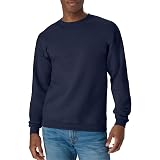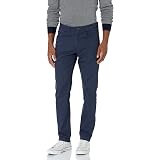

It is commonly observed that a distinct personal style contributes significantly to an individual’s confidence and how they are perceived in various social and professional settings. Navigating the expansive world of fashion, however, can often feel like a complex endeavor, leaving many feeling as though their sartorial choices lack direction or impact. The accompanying video offers an insightful glimpse into diverse fashion styles, explaining ten unique aesthetics that can profoundly transform one’s wardrobe and overall presentation.
Indeed, a well-curated wardrobe is not merely about owning expensive garments; it is about strategic self-expression. Understanding the nuanced language of various fashion styles is the initial step toward crafting an authentic visual identity. This detailed exploration aims to build upon the video’s foundational explanations, providing a more comprehensive overview of each aesthetic and equipping readers with practical insights for developing their own distinctive fashion lexicon.
Deconstructing Sophistication: Quiet Luxury and Old Money Aesthetics
The concepts of Quiet Luxury and Old Money, while often conflated, represent distinct yet intertwined sartorial philosophies. Quiet Luxury, a contemporary phenomenon, is characterized by an understated elegance that shuns overt branding. Emphasis is placed on impeccable craftsmanship, superior materials such as cashmere, silk, or premium wools, and a flawless fit that subtly communicates affluence. A garment adhering to the tenets of Quiet Luxury might be identified by its exquisite drape and inherent quality, rather than a conspicuous logo, thereby appealing to a discerning eye that appreciates subtle indicators of wealth.
Old Money, conversely, is deeply rooted in heritage and tradition, often reflecting generational wealth. This aesthetic is frequently associated with classic silhouettes, timeless pieces, and a color palette that leans towards neutrals and muted tones. Imagine the attire suitable for a country club or an equestrian event – think tailored blazers, pristine polos, loafers, and sophisticated accessories that speak of enduring legacy. While both styles convey affluence, Old Money often carries a stronger narrative of inherited elegance, whereas Quiet Luxury signifies a more contemporary, perhaps aspirational, pursuit of refined taste. It is acknowledged that a significant price barrier can exist for authentic engagement with these styles, but core principles of quality and fit can still be integrated into a more accessible wardrobe.
The Dynamic Canvas of Streetwear
Streetwear, as discussed in the video, stands as a dominant force in modern fashion, celebrated for its emphasis on comfort, individuality, and self-expression. Evolving from various subcultures, including skateboarding, hip-hop, and surf culture, this aesthetic has transcended its origins to become a global phenomenon. It is often understood that streetwear embraces an eclectic mix of elements, from graphic tees and hoodies to premium sneakers and utilitarian cargo pants.
The versatility of streetwear is further evidenced by its numerous subgenres, each offering a unique lens through which to interpret the style. For instance, the Y2K aesthetic reintroduces early 2000s trends with a modern twist, while Gorpcore champions outdoor and utilitarian gear from brands like Arc’teryx and The North Face, adapted for urban environments. Vintage streetwear, conversely, often draws inspiration from the 90s, featuring oversized silhouettes and nostalgic graphic designs. The freedom inherent in streetwear allows for bold experimentation with colors, textures, and layering, making it an ideal starting point for those seeking to articulate their personal style without rigid constraints. Furthermore, the accessibility of various price points within this category makes it a highly inclusive fashion domain.
Mastering the Fundamentals: Casual Core
Casual Core serves as the foundational bedrock for countless personal styles, as aptly highlighted in the video. This style is not about being bland; rather, it represents the art of mastering everyday attire through intentional choices. It is characterized by versatile, comfortable pieces that can be effortlessly mixed and matched to create a multitude of looks. Think well-fitting jeans, quality t-shirts, simple knitwear, and classic sneakers or boots.
The strength of Casual Core lies in its adaptability. Once the principles of fit, proportion, and complementary colors are understood within a casual framework, it becomes possible to seamlessly transition and integrate elements from more specialized aesthetics. This approach allows for a gradual elevation of one’s wardrobe, building a strong base before delving into more intricate fashion styles. Proper accessorization is critical to prevent a Casual Core outfit from appearing like a “white canvas,” transforming simple ensembles into thoughtful presentations.
The Fusion of Formality: Business Core
Business Core is a captivating hybrid, effectively merging the inherent prestige of traditional business attire with the relaxed, often rebellious spirit of other styles, notably streetwear. This innovative aesthetic champions a playful deconstruction of conventional formality. It is not merely about donning a suit and tie; rather, it involves selectively integrating elements like a crisp dress shirt or a structured blazer into an otherwise casual ensemble.
Consider, for example, the strategic pairing of tailored trousers or even flare jeans with a dress shirt and a leather jacket, or a structured vest layered over a graphic tee. The essence of Business Core is in its ability to subvert expectations, allowing for a polished yet approachable demeanor. This approach demonstrates a mastery of sartorial codes, indicating an individual who can appreciate classic elegance while simultaneously asserting a contemporary edge. The blend injects personality into professional contexts, challenging rigid dress codes with artful combinations.
Utility Meets Urbanity: Techwear
Techwear, an aesthetic often associated with Gorpcore, pushes the boundaries of functional fashion by integrating high-performance, weather-resistant materials and utilitarian design into everyday wear. This style is primarily focused on practicality, durability, and ergonomic considerations, drawing heavily from outdoor adventure gear and military-inspired clothing. It is defined by technical fabrics like Gore-Tex, ripstop nylon, and softshell materials, which offer benefits such as waterproofing, breathability, and modularity.
Garments often feature multiple pockets, adjustable straps, and innovative closures, contributing to a sleek, often futuristic silhouette. Brands such as Arc’teryx, The North Face, and specific Balenciaga collections are often cited as proponents of this style, providing rain boots, cargo pants, and insulated jackets that exemplify the Techwear ethos. While the initial investment in high-quality Techwear pieces can be substantial, the longevity and functional benefits are considered by many to justify the expense. This niche fashion style demands an appreciation for advanced material science and a vision for integrating highly practical elements into a sophisticated urban wardrobe.
A Timeless Repertoire: Vintage Fashion
Vintage Fashion offers a profound connection to the past, celebrating garments and aesthetics from previous decades. This style is intrinsically linked to sustainability, providing a compelling alternative to fast fashion by extending the lifecycle of clothing. It allows individuals to curate unique wardrobes that often feature distinctive cuts, fabrics, and patterns that are no longer widely produced. The video accurately points out that certain vintage items, such as 70s flare jeans, classic graphic tees, and iconic footwear like Adidas Sambas and Timbs, possess an enduring appeal that transcends fleeting trends.
Adopting Vintage Fashion involves a keen eye for quality and an understanding of historical sartorial trends. It is an exploration of fashion’s cyclical nature, where past styles are continuously reinterpreted and integrated into contemporary looks. A wardrobe infused with vintage pieces becomes, in essence, a walking museum, telling stories through its diverse origins. This approach not only fosters individuality but also promotes a more conscious and sustainable relationship with clothing, allowing for the creation of truly one-of-a-kind outfits by mixing elements from different eras.
The Art of Refinement: Sleek Minimalism
Sleek Minimalism stands as a testament to the power of less, advocating for a wardrobe built on clean lines, precise tailoring, and a restrained color palette. This style emphasizes quality over quantity, focusing on investment pieces that offer versatility and longevity. It is often understood as a refined evolution of Casual Core and Business Core principles, taking foundational garments and elevating them through meticulous attention to fit, proportion, and fabrication.
The aesthetic is characterized by garments that possess architectural integrity, where the cut and silhouette are paramount. Neutral tones such as black, white, grey, and earth tones typically dominate, allowing textures and subtle design details to take prominence. In a fashion landscape often saturated with maximalist trends and overt branding, Sleek Minimalism offers a refreshing counterpoint, projecting an aura of effortless sophistication and intellectual elegance. This approach ensures that the wearer, rather than their clothes, remains the focal point, enhancing personal character through understated elegance.
The Power of Palette: Demna Core and Monochrome
Demna Core, deeply influenced by the avant-garde vision of designer Demna Gvasalia for Balenciaga, represents a contemporary interpretation of monochromatic dressing, often with a punk or deconstructed edge. While Monochrome generally refers to wearing a single color or shades of that color, Demna Core infuses this concept with specific stylistic elements that often include oversized silhouettes, unconventional fabric choices, and a distinct aesthetic sensibility.
The prevalence of all-black ensembles within this style is noteworthy, demonstrating the profound impact that variations in texture, finish, and silhouette can have even within a singular color spectrum. An all-black outfit, for instance, can be rendered dynamic through the juxtaposition of matte and glossy fabrics, structured and flowing forms, or utilitarian and luxurious materials. Monochrome, especially in black, is a highly effective tool for creating a cohesive and impactful look, particularly for those who may be less confident in color coordination. It offers a fail-safe approach to achieving a sophisticated and powerful aesthetic, akin to a reliable shot from a star athlete—it consistently delivers impact and versatility.
The Zenith of Style: Crafting Your Personal Aesthetic
Ultimately, the exploration of diverse fashion styles, as presented in the video, culminates in the profound realization that the true objective is the creation of one’s own unique style. This is not a prescriptive process of choosing a single aesthetic; rather, it is an iterative journey of experimentation, integration, and self-discovery. By engaging with styles such as Sleek Minimalism, Streetwear, Business Core, and Demna Core, individuals are afforded the opportunity to discern which elements resonate most deeply with their personal preferences, lifestyle, and desired self-presentation.
The most compelling personal styles are frequently an amalgam of various influences, akin to an “Infinity Gauntlet” of fashion, where diverse elements are fused to form a cohesive and authentic whole. This process involves taking inspiration from different eras, subcultures, and design philosophies, then tailoring them to individual needs. The confidence derived from authentically expressing oneself through a unique personal style is immeasurable. It validates one’s individuality and allows for a profound connection between internal identity and external presentation. Continual experimentation and an open mind are paramount in this ongoing evolution of personal fashion styles.
Unraveling Style Aesthetics: Your Questions Answered
What are fashion style aesthetics?
Fashion style aesthetics are distinct looks or philosophies that guide clothing choices. They help individuals express themselves and define their overall appearance through specific types of garments, materials, and trends.
Why is it important to develop a personal style?
Developing a personal style significantly contributes to your confidence and how you are perceived. It allows for strategic self-expression and helps you craft an authentic visual identity that reflects who you are.
What is ‘Quiet Luxury’ in fashion?
Quiet Luxury is a contemporary style characterized by understated elegance, focusing on impeccable craftsmanship, superior materials, and a flawless fit. It communicates affluence subtly, without overt branding or logos.
What is ‘Streetwear’ fashion?
Streetwear is a dominant modern fashion style celebrated for its emphasis on comfort, individuality, and self-expression. It evolved from subcultures like skateboarding and hip-hop, often featuring graphic tees, hoodies, and premium sneakers.
How can I start creating my own unique personal style?
You can start by exploring different fashion aesthetics and experimenting with elements that resonate with your preferences and lifestyle. The most compelling styles often combine various influences to form a cohesive and authentic look.