
The landscape of professional attire has significantly evolved. As the accompanying video succinctly illustrates, the formal colour combination paradigms of yesterday often differ markedly from today’s sophisticated choices. Understanding these shifts is paramount for maintaining a sartorial edge in any corporate or upscale setting.
Evolving Formal Colour Combinations: A Contemporary Perspective
Formal wear once adhered to strict, often austere conventions. Dark, conservative hues dominated wardrobes universally. This “before” era prioritized uniformity and conformity above all else. Today’s approach, however, embraces nuanced expression and strategic individualization. The modern professional navigates a broader, yet still refined, palette. These contemporary formal colour combinations project confidence and discernment. They reflect a deeper understanding of personal branding. Furthermore, they acknowledge the dynamic nature of professional environments.
Mastering Traditional Formal Colour Combinations
Grey: The Versatile Cornerstone
Grey remains a foundational shade in formal wear. Its inherent neutrality offers unparalleled versatility. Psychologically, grey conveys balance, professionalism, and stability. Lighter charcoals suit daytime events. Deeper slate tones excel in evening settings. This color provides a canvas for subtle chromatic accents. It pairs effectively with almost any other hue. Modern styling often integrates varying grey textures for added depth. This creates a refined, monochromatic formal aesthetic.
Black: The Quintessential Power Shade
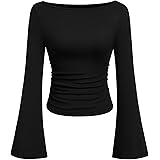
Black holds an undeniable position in formal attire. It signifies authority, sophistication, and timeless elegance. For high-stakes professional engagements, black is often the preferred choice. It ensures a commanding and serious presence. However, over-reliance can lead to visual monotony. Contemporary trends advocate for judicious use. Strategic black pairings enhance visual impact. Consider it for key elements, not necessarily the entire ensemble. It remains a pinnacle among formal colour combinations.
White: Crispness and Clarity
White embodies cleanliness, precision, and clarity. In formal contexts, it brightens any ensemble. White shirts are indispensable for corporate professionals. They provide a sharp contrast to darker tailoring. Beyond shirting, white elements offer crisp sophistication. Think tailored trousers or well-structured blazers. White injects a fresh, modern sensibility. It offers a clean break from traditional rigidity. This hue ensures a polished and approachable demeanor.
Integrating Modern Hues in Formal Attire
Maroon: A Sophisticated Statement
Maroon represents a departure from strictly conventional palettes. It offers rich warmth and understated luxury. This deep red hue conveys ambition and confidence. Maroon works exceptionally well with charcoal greys or navy blues. It introduces a subtle, yet impactful, splash of color. This choice avoids the starkness of brighter reds. Opt for maroon in accessories or a statement piece. It elevates standard formal colour combinations effectively. This color is becoming a staple for the discerning professional.
Beige: The Understated Elegance
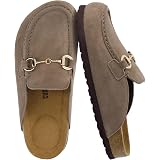
Beige signifies quiet confidence and refined taste. Its neutral warmth provides a soft counterpoint. This shade offers an alternative to starker traditional colors. Beige suits and separates create a contemporary formal aesthetic. They appear less intimidating than dark counterparts. Pair beige with white or light blue for a sophisticated look. It projects approachability without sacrificing professionalism. Modern formal wear often leverages beige for its elegant subtlety.
Strategic Application of Formal Colour Combinations
Tonal Harmony and Contrast
Achieving sartorial excellence requires understanding tonal relationships. Monochromatic schemes use varying shades of one color. This creates depth without overt contrast. Analogous combinations utilize adjacent hues on the color wheel. For formal settings, subtle analogous choices are key. Contrasting elements should be deliberate. A crisp white shirt against a dark suit is classic contrast. Balance is crucial for effective formal colour combinations.
Accessorizing with Intent
Accessories play a vital role in completing a formal look. They offer opportunities for color and texture. Pocket squares, ties, and cufflinks are key components. These small elements can introduce new hues. Consider linking accessory colors to minor garment details. This creates a cohesive and thoughtful appearance. Avoid excessive or clashing accessory colors. They should complement, not overpower, the main ensemble.
Contextual Considerations
The appropriate formal colour combination varies by context. A client meeting requires different choices than a company gala. Industry norms also influence acceptable palettes. Creative fields may allow more color experimentation. Conservative industries demand stricter adherence to tradition. Always consider the event’s formality level. Tailor your color choices to the specific professional environment. This ensures your attire is always appropriate and impactful.
Mastering formal colour combinations transcends mere compliance. It reflects a deep understanding of aesthetics and professional impact. Thoughtful color choices empower individuals. They enhance personal presence and communicate professionalism. Embrace these principles to refine your sartorial regimen.
Perfecting Your Palette: Formal Colour Q&A
How has formal wear changed regarding color choices?
Formal wear has evolved from strict, dark conventions to embrace more nuanced expression and individual style, allowing for a broader and refined color palette.
What are some traditional core colors for formal wear?
Grey, black, and white are traditional core colors. Grey is versatile, black signifies authority, and white adds crispness and clarity.
Can I use colors other than black, white, and grey for formal wear?
Yes, modern formal wear integrates colors like maroon for sophisticated warmth and beige for understated elegance, offering more varied professional looks.
How important are accessories when choosing formal color combinations?
Accessories are very important because they can introduce new colors and textures to complete your look. They should complement the main outfit to create a cohesive appearance.