
Navigating the nuances of professional yet relaxed attire can often present a significant sartorial challenge, especially when compounded by the specific requirements of a petite frame. Have you ever wondered how to consistently achieve that elusive “everyday smart casual” look without feeling overwhelmed by fabric or lost in ill-fitting proportions? The accompanying video provides visual inspiration, yet the intricacies of crafting a truly effective everyday smart casual for petite women demand a deeper understanding of strategic garment selection and styling principles. This guide is designed to dissect these complexities, offering expert insights into cultivating a polished, comfortable, and appropriately tailored wardrobe that respects the unique needs of petite women.
Deconstructing Smart Casual: A Petite Woman’s Perspective
The term “smart casual” frequently elicits confusion, existing as it does in the nebulous space between formal and purely relaxed attire. For petite women, this stylistic ambiguity is often exacerbated by the industry’s default sizing, which rarely accounts for shorter torsos, limb lengths, or smaller overall scale. Defining smart casual in this context means selecting pieces that are refined enough for an office or business-casual event but possess sufficient comfort for daily wear. It is generally understood that the aesthetic should project competence and approachability, eschewing overly formal suits while maintaining a distinct level of polish. The successful interpretation of petite smart casual hinges on a precise understanding of proportion and fit.
Strategic fabric choices also play a pivotal role in this definition. Materials such as crisp cottons, fine wool blends, sophisticated knits, and refined linens are generally favored over overly casual denim or athletic wear. The garment’s structure, or lack thereof, significantly influences its smart casual designation; a softly tailored blazer, for instance, offers a perfect balance. Understanding the inherent formality of different textures and weaves is paramount for creating cohesive outfits. Ultimately, the objective involves curating a collection of versatile pieces that can be mixed and matched to suit various occasions, always ensuring that the petite frame is flattered and elongated, rather than shortened or swamped.
Curating the Core: Essential Wardrobe Pieces for Petite Styling
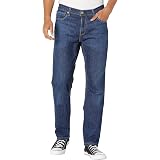
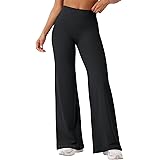
Building a robust petite women’s fashion foundation necessitates a focus on key wardrobe staples that deliver both versatility and impeccable fit. A well-constructed blazer, designed with a shorter body and higher armholes, is indispensable; it should skim the hips, creating a clean vertical line without adding bulk. High-waisted trousers or skirts are frequently recommended, as they visually extend the leg line from the waist, contributing to an elongated silhouette. Opting for trousers with a slight taper or a straight leg can be more advantageous than wide-leg styles, which may overwhelm a smaller frame unless expertly tailored in a lighter fabric.
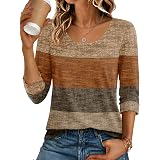
For tops, blouses crafted from fluid fabrics like silk, rayon, or modal are preferred, as these drape elegantly without adding excessive volume. Scoop necks or V-necks are often chosen to create a vertical emphasis, subtly drawing the eye upwards. Knitwear, when selected for its fine gauge and appropriate length, can also serve as a sophisticated layer or stand-alone piece. It is imperative that all these garments possess an inherent quality, as well-made pieces often hold their shape better and elevate the perceived formality of an ensemble. Investing in these foundational items allows for effortless assembly of various smart casual outfits.
The Art of Proportional Harmony for Petite Figures
Mastering proportions for petite figures is arguably the most critical aspect of effective styling, as it directly influences how tall and balanced an individual appears. The goal is always to create a long, lean vertical line, minimizing horizontal breaks wherever possible. This can be achieved through various sartorial techniques, including the strategic use of high-waisted bottoms, which significantly lift the perceived waistline and extend the legs. Avoiding garments that cut the body at its widest points, such as mid-hip jackets, is a common practice to prevent shortening the torso.
Hemlines, too, are a major determinant of proportional success. Skirts and dresses that fall just above or just below the knee, or maxi styles that precisely graze the ankle, are often most flattering. Trousers should ideally break perfectly at the top of the shoe, preventing a “bunched” look that can visually shorten the legs. Furthermore, the scale of prints and accessories must be considered; smaller prints and delicate jewelry tend to harmonize better with a petite frame than large, bold patterns or oversized pieces. A considered approach to silhouette ensures that the clothing complements the body, rather than consuming it.
Color, Texture, and Pattern: Elevating Petite Attire
Beyond fit and form, the strategic deployment of color, texture, and pattern offers additional avenues for enhancing professional petite attire. Monochromatic dressing, or wearing shades within the same color family, is frequently recommended for its elongating effect, as it creates an uninterrupted visual column. Darker colors traditionally offer a slimming perception, but lighter hues can be equally effective when incorporated into a well-proportioned outfit. Understanding how different colors interact with one’s skin tone is also a component of sophisticated personal styling, ensuring a harmonious overall appearance.
Texture adds depth and interest without necessarily introducing new visual breaks. A subtle ribbed knit, a luxurious silk blouse, or a structured tweed blazer can elevate an ensemble by providing tactile variation. However, voluminous textures, such as chunky knits or heavily ruffled fabrics, should be approached with caution, as they can overwhelm a petite frame. When it comes to patterns, scale is paramount; smaller, more intricate patterns typically work better than large, expansive ones. A subtle pinstripe or a delicate floral print can add personality without visually shortening the wearer, always reinforcing the principles of fashion for petite frames.
The Indispensable Role of Expert Tailoring
While off-the-rack options for petite women have improved, achieving truly impeccable everyday smart casual for petite women almost invariably necessitates professional tailoring. Even garments specifically labeled as “petite” may require adjustments to sleeve length, hemline, or waist placement to fit perfectly. A blazer’s sleeves, for instance, should end precisely at the wrist bone, and trousers must have the correct break. The slight investment in tailoring can transform an ordinary outfit into one that appears custom-made, enhancing both comfort and confidence. It represents the crucial final step in ensuring that every piece contributes optimally to the desired aesthetic, reinforcing meticulous attention to detail.
Mastering Everyday Smart Casual for Petites: Your Questions Answered
What does “smart casual” mean for petite women?
Smart casual for petite women means selecting refined clothes suitable for an office or business-casual event, while still being comfortable for daily wear. This style aims to project competence and approachability with a polished look.
What are some essential clothing items for a petite smart casual wardrobe?
Essential items include a well-constructed blazer with a shorter body, high-waisted trousers or skirts, and blouses made from fluid fabrics like silk. These pieces help create an elongated silhouette and versatile outfits.
Why is understanding proportion important for petite women’s fashion?
Mastering proportions is crucial because it directly influences how tall and balanced a petite individual appears. The goal is to create long, lean vertical lines and avoid garments that visually shorten the body.
How can color and pattern help style petite attire?
Monochromatic dressing (wearing shades of the same color) can create an elongating effect, while smaller, more intricate patterns tend to work better than large ones. These choices add depth and personality without overwhelming a petite frame.
Is professional tailoring necessary for petite women’s clothing?
Yes, professional tailoring is almost always necessary, even for clothes labeled ‘petite.’ Tailoring ensures garments fit perfectly, adjusting sleeve lengths, hemlines, and waist placements to enhance comfort and confidence.