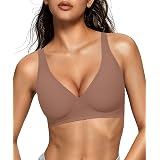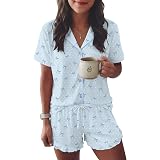

Ready to Co-Create the Next-Gen Activewear Design?
Have you ever watched a video like the one above, perhaps contemplating a new design project or seeking fresh inspiration for your brand?
The journey of bringing a unique **activewear design** to life is an intricate blend of creativity, technical expertise, and crucially, an understanding of the end-user. Crafting performance-driven apparel demands more than just aesthetic appeal; it requires deep consideration for functionality, material science, and the evolving demands of fitness enthusiasts and athletes globally.
Imagine if you could tap directly into the collective wisdom of your target market during the initial conceptualization phase. This collaborative approach, actively seeking insights and preferences, significantly reduces risk and fosters a stronger connection between your brand and its community. Furthermore, it ensures the final product truly resonates with those who will wear it.
The Interplay of Form and Function in Activewear Design
Developing exceptional activewear is a complex ballet between visual appeal and practical application. Each stitch, fabric choice, and panel placement must serve a distinct purpose. Consider the rigorous demands placed upon athletic apparel during high-intensity workouts or endurance events. The fabric must move seamlessly with the body, providing unhindered mobility while also regulating temperature effectively.
Furthermore, the textile innovations in modern activewear are astounding. Advanced materials offer properties like superior moisture-wicking capabilities, rapid drying times, and impressive four-way stretch. These aren’t just buzzwords; they represent critical performance attributes that enhance comfort and optimize athletic output. Selecting the right fabric composition—whether it’s recycled polyester, Tencel, or a proprietary blend—is paramount for the garment’s integrity and its environmental footprint.
User-Centric Activewear Design: Beyond Aesthetics
True innovation in **activewear design** often stems from a deep empathy for the wearer’s experience. This user-centric approach mandates looking beyond initial sketches to consider real-world scenarios. How does a specific seam placement affect chafing during a long run? Will the waistband stay securely in place during inversions in yoga? These practical questions drive superior design choices.
Imagine if you integrated biometric data from athletes directly into your design process. Understanding body mapping, pressure points, and ventilation requirements can lead to revolutionary ergonomic designs. This means strategically placing mesh panels for optimal airflow, or incorporating compression zones to support key muscle groups. Therefore, feedback from a diverse group of users, encompassing various body types and activity levels, becomes an invaluable resource for refinement and perfection.
Navigating the Product Development Lifecycle for Performance Wear
The journey from a nascent concept to a retail-ready product is a multi-stage process, particularly in the competitive fitness apparel market. It typically commences with thorough market research, identifying gaps and emerging trends.
The subsequent stages often include:
- Conceptualization: Brainstorming initial ideas, sketching designs, and defining the garment’s core purpose and aesthetic.
- Material Sourcing: Investigating and selecting fabrics, trims, and notions that meet performance, sustainability, and cost objectives.
- Pattern Making & Prototyping: Translating designs into technical patterns and creating initial samples for fit and function testing.
- Fit & Performance Testing: Rigorously evaluating prototypes on actual users, gathering feedback, and making necessary adjustments.
- Technical Specifications: Developing detailed tech packs for manufacturers, including measurements, construction details, and finishing instructions.
- Manufacturing & Quality Control: Overseeing production, ensuring consistent quality, and managing supply chain logistics.
Moreover, the iterative nature of this cycle means that designers frequently revisit earlier stages based on testing feedback. This commitment to continuous improvement is what elevates a good design to a truly exceptional one, particularly within the demanding realm of **activewear design**.
The Entrepreneurial Edge in Fitness Fashion
For fashion entrepreneurs, launching an activewear brand presents both exciting opportunities and formidable challenges. The market is saturated, yet consumers continually seek novelty, performance, and ethical production practices. Building a successful brand requires a keen business acumen alongside design prowess.
Consider the strategic importance of market segmentation. Are you targeting elite athletes, casual gym-goers, or those who embrace “athleisure” as a lifestyle? Each segment has distinct expectations regarding price, style, and brand values. Developing a clear brand identity and a compelling narrative becomes crucial for standing out. Furthermore, leveraging digital platforms for direct-to-consumer sales and community building can foster rapid growth and invaluable customer relationships. Collaborating with fitness influencers or co-designing with your audience, as suggested by the video, are powerful strategies for market entry and sustained relevance in the dynamic world of **activewear design**.
Stitching Up Solutions: Your Activewear Design Q&A
What is activewear design?
Activewear design is the process of creating performance-driven clothing for fitness and sports. It blends creativity with technical expertise to meet the needs of athletes and fitness enthusiasts.
What key features make good activewear?
Good activewear balances visual appeal with practical functionality, focusing on features like unhindered mobility, temperature regulation, moisture-wicking, and four-way stretch materials.
Why is user feedback important in activewear design?
User feedback is crucial for activewear design because it helps designers understand real-world needs and preferences. This collaborative approach reduces risks and ensures the final product truly resonates with its wearers.
What are the first steps in developing a new activewear product?
The journey typically starts with market research to identify trends and needs, followed by conceptualization where designers brainstorm ideas and sketch designs. Then, appropriate materials are sourced for performance and cost.